
Comprehensive Guide to Sustainable Energy Solutions in SA


Introduction to Sustainable Energy in South Africa
As the global demand for energy continues to rise, the importance of sustainable energy solutions becomes increasingly critical. In South Africa, a country blessed with abundant natural resources, the shift towards renewable energy is not just environmentally responsible but also economically viable. This guide explores various sustainable energy solutions available in South Africa, highlighting their benefits and challenges.

Solar Power: Harnessing the Sun
South Africa receives a high amount of sunlight, making solar power a highly effective renewable energy source. Solar panels convert sunlight into electricity, providing a clean and renewable energy supply. The initial investment in solar technology can be substantial, but the long-term savings and environmental benefits are significant. Furthermore, government incentives and decreasing costs of solar panels are making this option more accessible to businesses and homeowners alike.
There are two main types of solar power technologies:
- Photovoltaic (PV) Systems: These systems convert sunlight directly into electricity using solar panels.
- Solar Thermal Systems: These capture sunlight to produce heat, which can be used for water heating or to generate electricity.
Wind Energy: Capturing the Breeze
Wind energy is another promising renewable resource in South Africa, with several wind farms already in operation. These farms use large turbines to capture wind and convert it into electricity. The coastal regions of South Africa are particularly suitable for wind energy due to their consistent wind patterns.
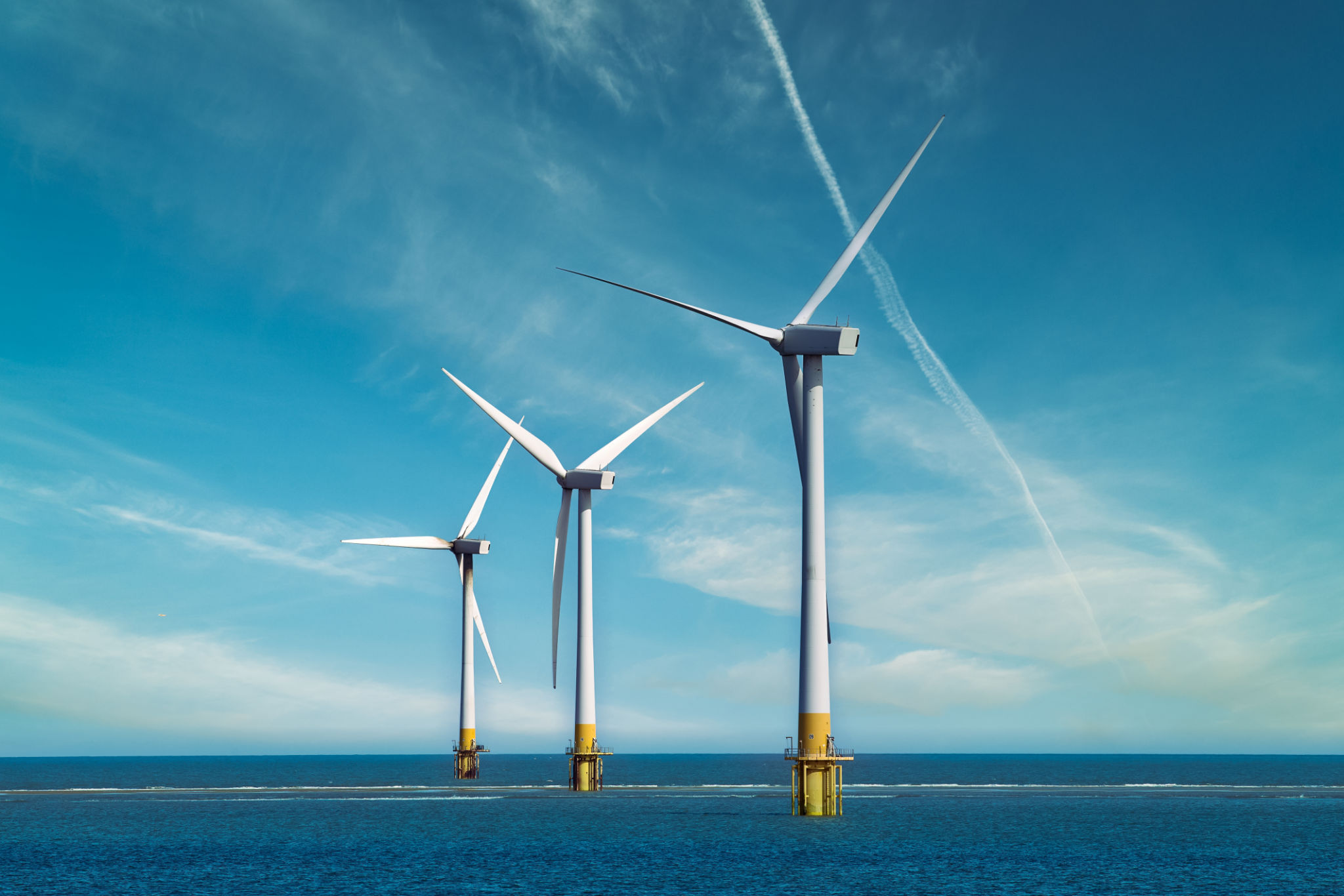
Investing in wind energy can provide numerous benefits, including reduced greenhouse gas emissions and decreased reliance on fossil fuels. However, challenges such as the initial investment cost and environmental concerns regarding wildlife impact need to be addressed.
Hydropower: Utilizing Water Currents
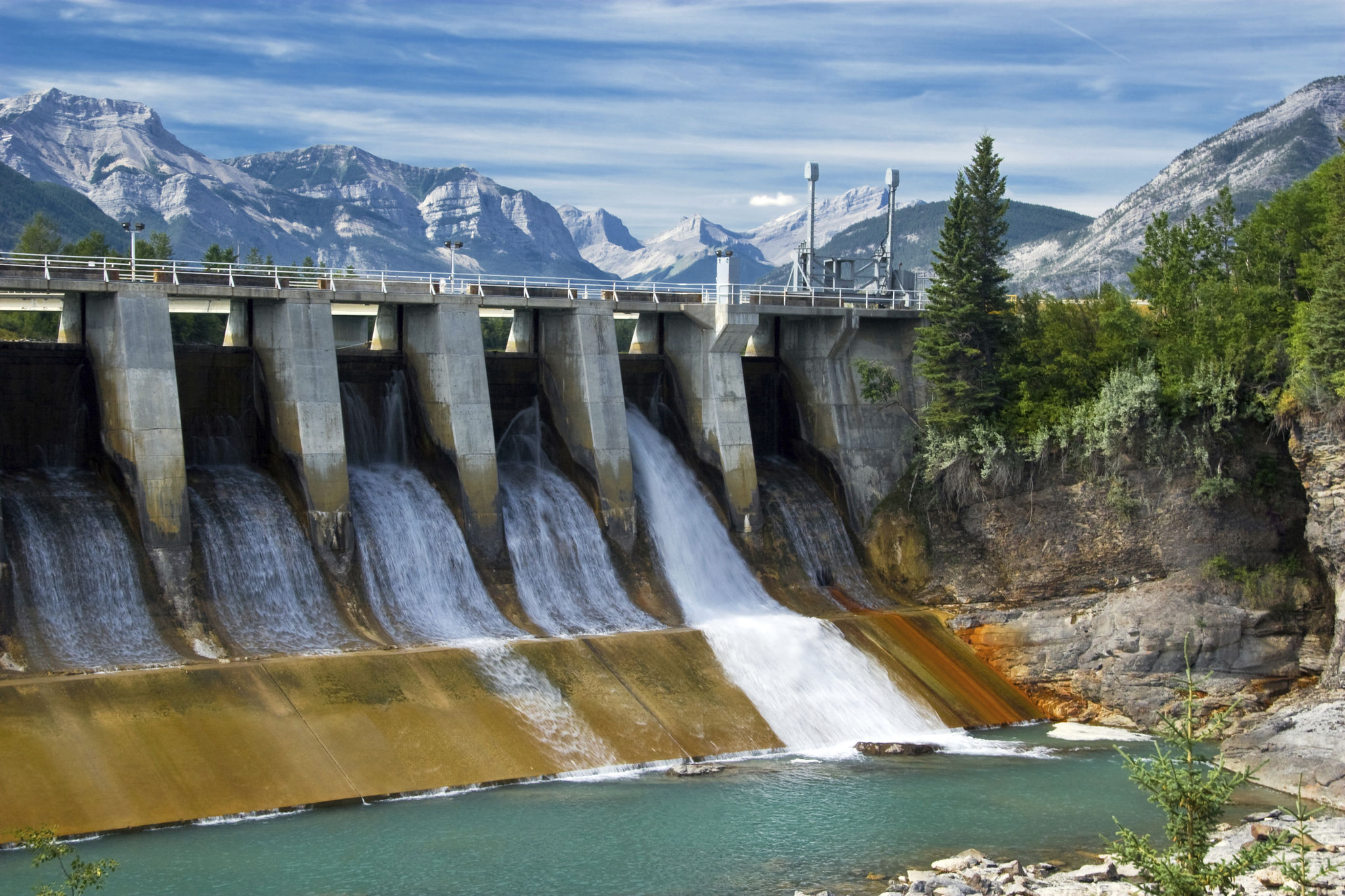
Hydropower uses the energy of flowing water to generate electricity. In South Africa, small-scale hydropower projects are particularly viable, especially in rural areas where access to other energy sources is limited. Hydropower is a reliable and consistent energy source, providing a continuous supply of electricity.
Despite its advantages, hydropower development can be restricted by geographical and environmental factors. Careful planning is essential to minimize ecological disruption and ensure the sustainability of water resources.
Biomass Energy: Converting Waste into Power
Biomass energy involves using organic materials, such as agricultural waste and plant matter, to produce energy. This method not only provides a renewable energy source but also helps manage waste effectively. In South Africa, utilizing biomass can contribute to energy security while supporting agricultural industries.
However, the sustainability of biomass energy depends on responsible management practices. Ensuring that biomass production does not compete with food resources and maintaining biodiversity are crucial considerations.
Conclusion: Embracing a Sustainable Future
South Africa's journey towards sustainable energy solutions is a multifaceted approach that requires collaboration between government, industry, and communities. By investing in renewable energy sources like solar, wind, hydropower, and biomass, South Africa can reduce its carbon footprint, enhance energy security, and promote economic growth.
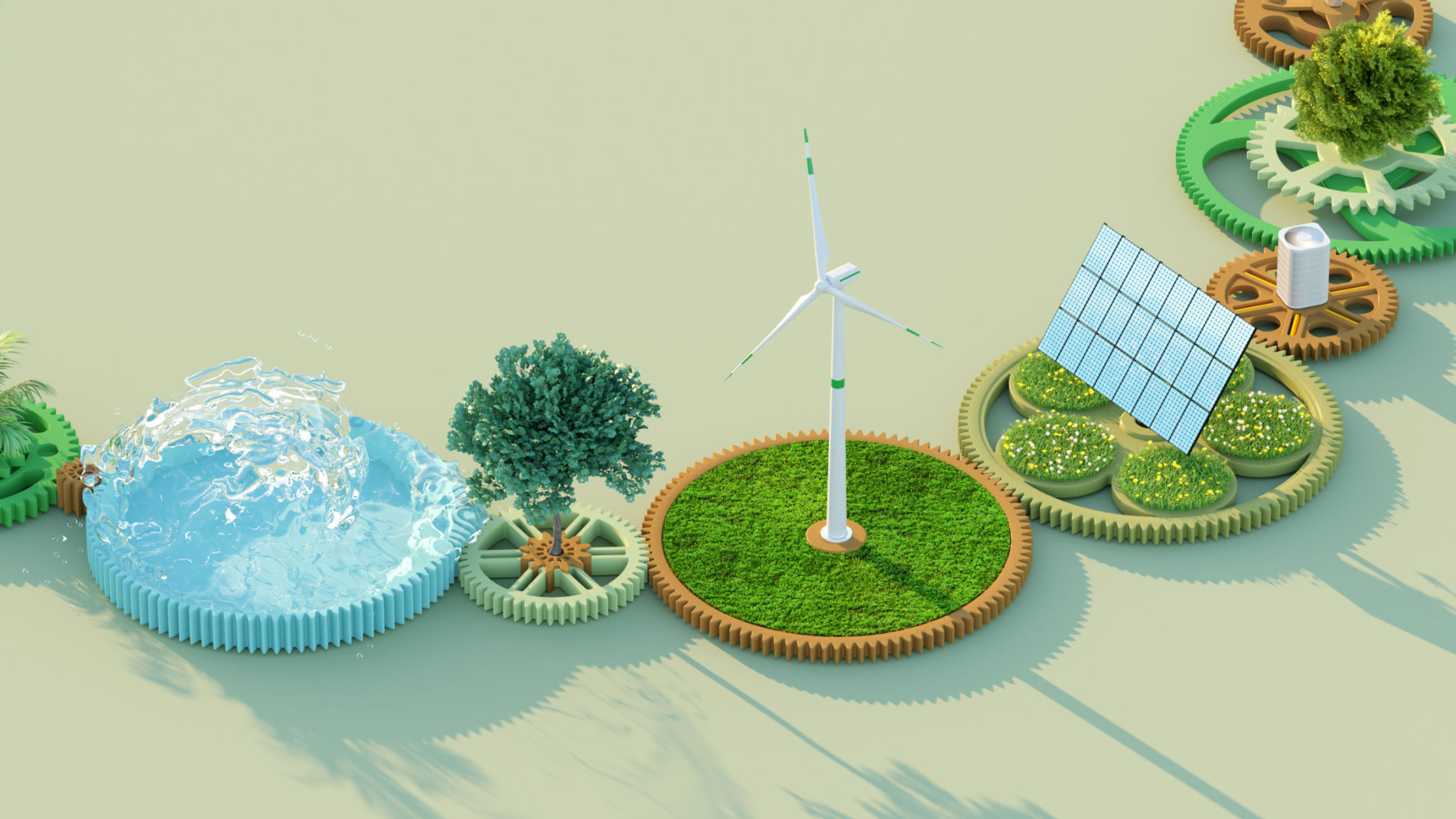
The transition to sustainable energy is not without its challenges, but the long-term benefits for the environment and society make it a worthwhile endeavor. Embracing these solutions will not only help mitigate the impacts of climate change but also pave the way for a brighter, more sustainable future for South Africa.